Articles
Field guides & science essays
Long-form pieces on cloud identification, atmospheric optics, and the daily craft of amateur observation.
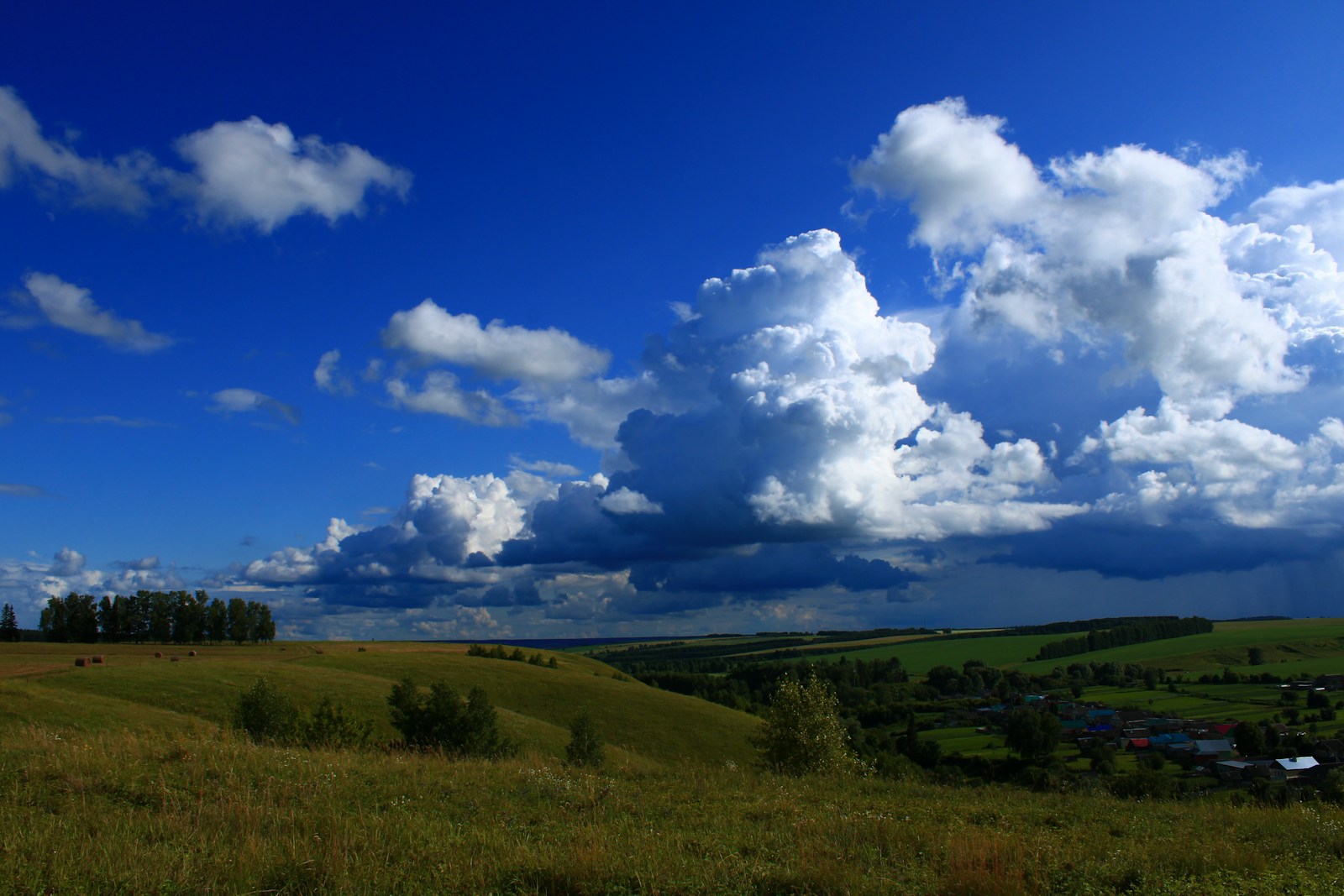
Reading Cumulus Growth: A Field Guide for Amateur Storm Chasers
Cumulus clouds are the most expressive weather-makers in the low atmosphere. Learn how to read their vertical development, base darkness, and edge sharpness to anticipate afternoon storms hours in advance.

Why Halos Appear: The 22° Ring and the Physics of Ice Crystals
The 22° halo is the most common atmospheric optical phenomenon most people have never noticed. Here is what causes it, when to look for it, and why it forecasts weather twelve to twenty-four hours ahead.
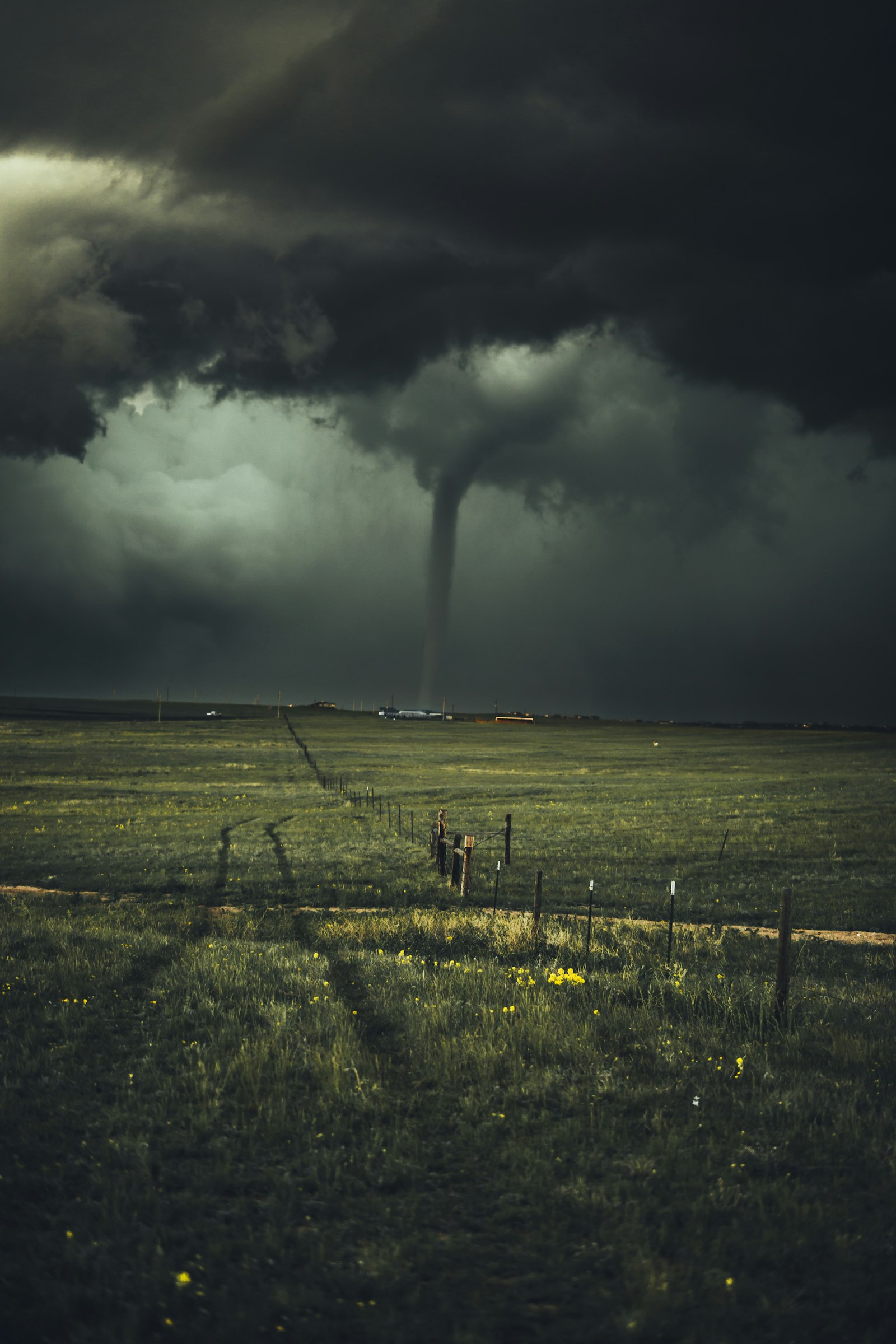
The Beaufort Scale in Modern Amateur Observation
The Beaufort scale is two hundred years old and quietly indispensable. Here is how to use it in the field, how to calibrate yourself against real anemometer readings, and where it still beats digital instruments.
Fog Versus Haze: A Practical Guide to Telling Them Apart
Consumer air-quality apps routinely confuse meteorological fog with dry-particle haze. Here are the three thresholds that separate them and why the distinction matters for your health, your photos, and your driving.

Building an Amateur Observation Log That Actually Gets Used
The best weather log is the one you still fill in six months later. Here is a practical schema, a realistic frequency, and the small habits that separate a log that lasts from one that is abandoned by March.